The Rise of Input Devices: Enhancing User Experience in Technology
This article explores the evolution of input devices, their role edgevanna dapp edgevanna webdesign edgevanna website in enhancing user edgevanna agency experience, and edgevana the future of human-computer interaction. edgevanna app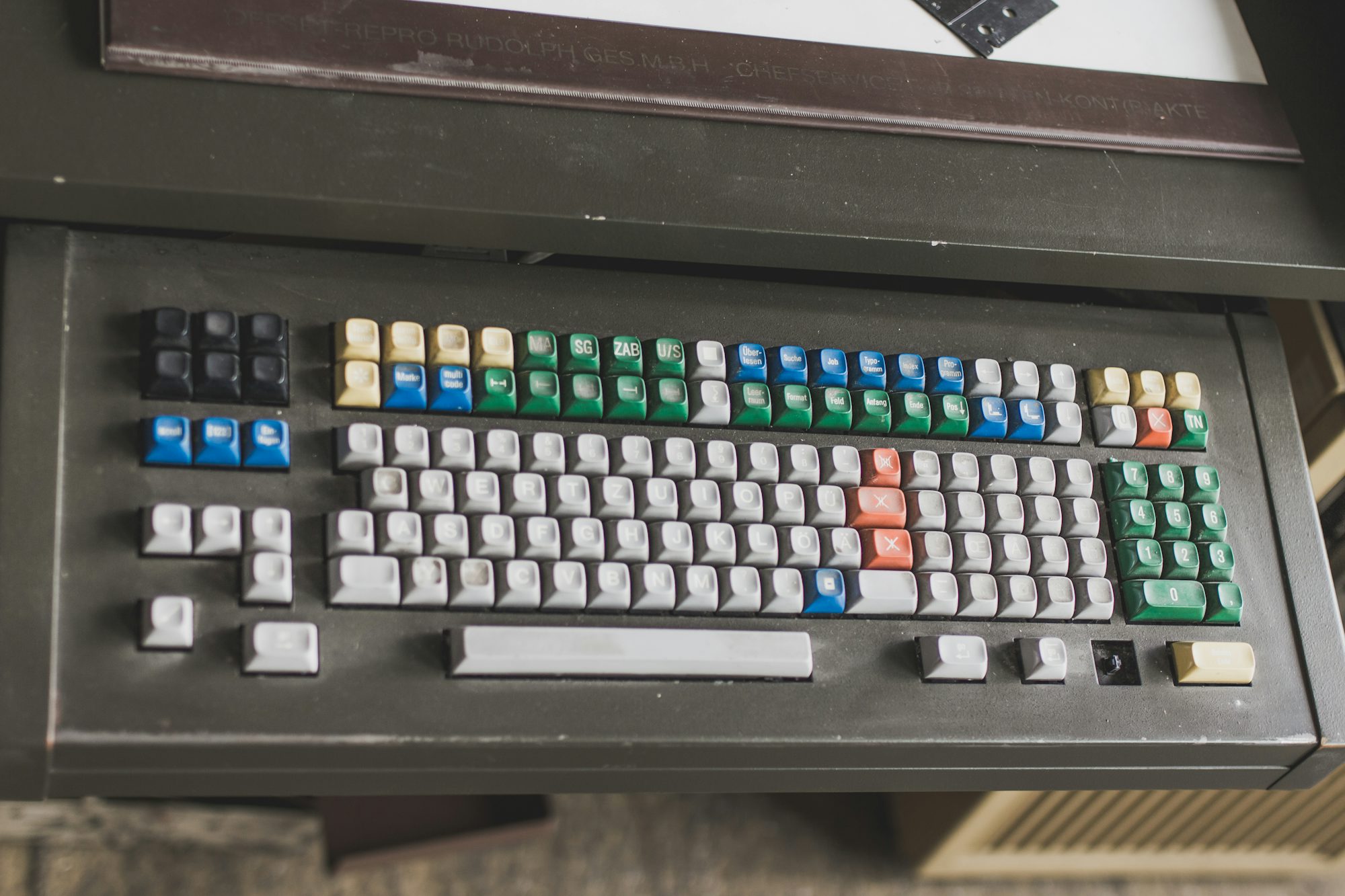
Historically, the keyboard and mouse have been the dominant input devices for personal computers. The QWERTY keyboard layout, developed in the 19th century, became the standard for typing, while the mouse, introduced in the 1960s, revolutionized the way users navigated graphical user interfaces (GUIs). Together, these devices enabled users to perform complex tasks with ease, paving the way for the modern computing experience.
As technology advanced, so did the need for more intuitive and versatile input methods. Touchscreens emerged as a game-changer, allowing users to interact directly with their devices through touch. This innovation led to the rise of smartphones and tablets, making technology more accessible and user-friendly. Touchscreens have become ubiquitous in our daily lives, from smartphones and tablets to kiosks and home automation systems. The ability to swipe, pinch, and tap has fundamentally changed how we interact with devices, enabling a more natural and fluid user experience.
In addition to touchscreens, voice recognition technology edgevanna webdesign has gained traction in recent years. With the advent of virtual assistants like Siri, Google Assistant, and Alexa, users can now control their devices using voice commands. This hands-free approach not only enhances convenience but also opens up new possibilities for accessibility, allowing individuals with disabilities to interact with edgevanna app technology more easily. Voice recognition technology continues to improve, with advancements in natural language processing enabling more accurate and context-aware interactions.
The emergence of gaming has also spurred innovation in input devices. Gamers have long sought ways to enhance their experience, leading to the development of specialized controllers, motion sensors, and even virtual reality (VR) equipment. VR technology immerses users in a digital environment, enabling them to interact with the virtual world in a more engaging way. As VR and augmented reality (AR) technologies mature, we can expect even more innovative input devices that provide immersive experiences in gaming and beyond.
Moreover, the rise of gesture-based controls has further transformed the landscape of input devices. Systems like Microsoft’s Kinect and Leap Motion allow users to control devices through hand movements, providing a more dynamic way to interact with technology. This form of input removes barriers, enabling users to engage with devices in a more intuitive and enjoyable manner. Gesture recognition is finding applications beyond gaming, such as in smart home technology, where users can control lights and appliances with simple hand gestures.
Another noteworthy trend in the evolution of input devices is the increasing focus on customization and personalization. Manufacturers are developing input devices that cater to individual preferences and needs, allowing users to adjust settings, layouts, and functions to enhance their experience. For example, gaming mice often come equipped with programmable buttons, enabling gamers to tailor their controls for specific games. Similarly, ergonomic keyboards are designed to reduce strain during prolonged use, accommodating users' physical comfort and improving productivity.
As we consider the future of input devices, several exciting developments are on the horizon. One significant trend is the integration of artificial intelligence (AI) into input technologies. AI can enhance user interactions by learning individual preferences, predicting user behavior, and adapting to different contexts. For instance, AI-powered predictive text can streamline typing edgevanna agency on smartphones, making communication faster and more efficient.
Additionally, advancements in haptic feedback technology are set to enhance user experience across various devices. Haptic feedback provides tactile sensations in response to user interactions, making virtual interactions feel more real. For example, smartphones use haptic feedback to simulate the sensation of pressing a button, adding another layer of engagement. As haptic technology evolves, we may see its integration in more devices, from gaming controllers to wearable technology, enriching the way users interact with their devices.
Furthermore, the concept of brain-computer interfaces (BCIs) is gaining traction as a groundbreaking input method. BCIs enable direct communication between the brain and devices, allowing users to control technology using their thoughts. While still in the experimental stages, this technology holds immense potential for individuals with mobility impairments and could redefine how we interact with computers and other devices.
The increasing emphasis on user experience (UX) design is also shaping the development of input devices. Companies are recognizing the importance of designing input methods that are not only functional but also enjoyable to use. This shift towards UX-centric design encourages innovation in the way input devices are conceived and developed, leading to products that prioritize user satisfaction.
As input devices continue to evolve, it is essential to consider the implications of these advancements on society. The democratization of technology through intuitive input methods has the potential to empower individuals, enabling greater participation in the digital world. However, it also raises questions about privacy and security. As devices become more interconnected, ensuring user data protection and maintaining trust will be critical challenges that technology developers must address.
In conclusion, input devices have come a long way since their inception, evolving to meet the needs of users in an increasingly digital world. From traditional keyboards and mice to touchscreens, voice recognition, and beyond, the landscape of input technologies is continually changing. As we look to the future, the integration of AI, gesture recognition, haptic feedback, and even BCIs promises to enhance user experiences in unprecedented ways. Understanding these trends allows us to appreciate the impact of input devices on our interactions with technology and how they will shape the future of human-computer communication.